


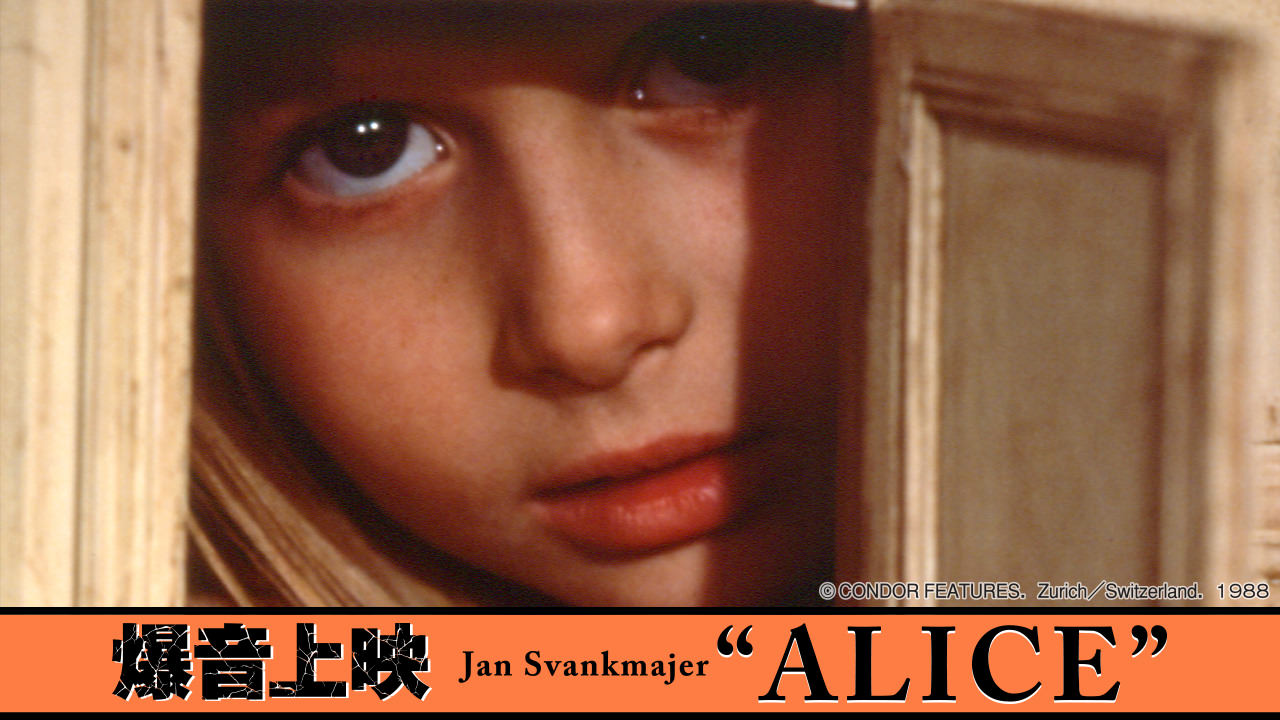
無限の想像力が噴出する、奇想天外なるワンダーランド。
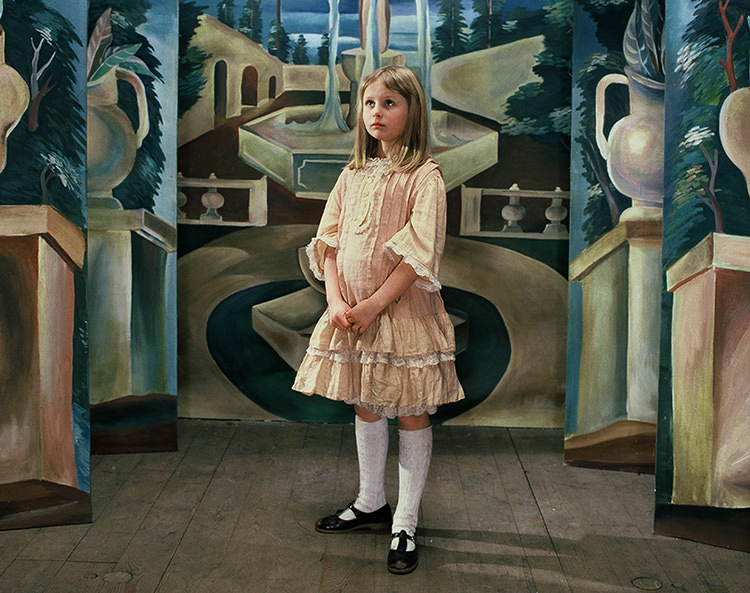
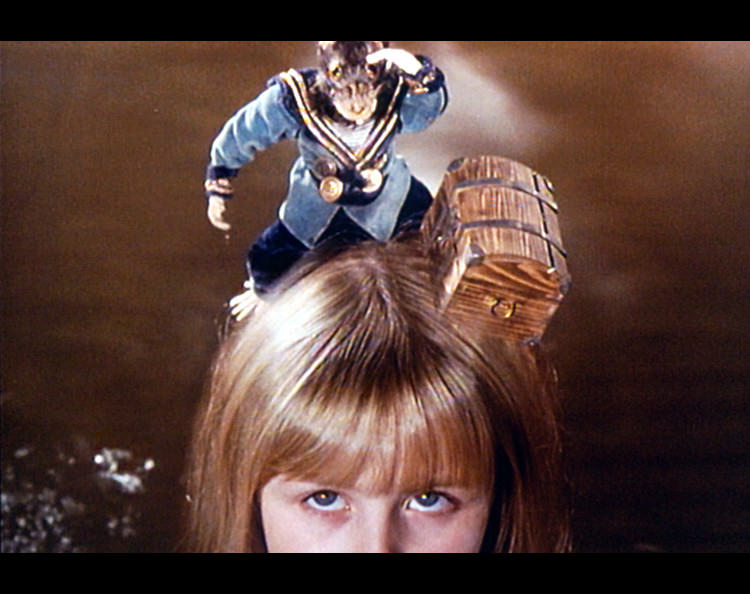
ウサギを追いかけたアリスが迷い込んだのは、不気味で摩訶不思議な世界…。 ルイス・キャロルの「不思議の国のアリス」を元に、実写とストップモーション・アニメを組み合わせて創られたこの作品は、シュヴァンクマイエルが3年の歳月を注いで完成させた初の長編映画である。88年のベルリン映画祭でプレミア上映後、89年に日本でも劇場公開された。いかがわしくもユーモラスな表現と、グロテスクなのにどこか愛らしいキャラクターたち。誰にも真似できない独特の映像と爆音が、無限の想像力を噴出させる!
After chasing a rabbit, Alice gets lost in a mysterious and grotesque world. Based on Alice in Wonderland by Lewis Carroll, this first feature film by Jan Svankmajer combined live-action and stop-motion footage and was completed after three-years of production. After the premiere screening at Berlinale in 1988, the film was released theatrically in 1989. Illuminated by filthy but humorous expressions and grotesque but cute characters, this film evokes endless imagination, with a Bakuon screening.
INTRODUCTION

爆音上映とは(BAKUON Screening)
INFORMATION
監督:ヤン・シュヴァンクマイエル
Director:Jan Svankmajer
1988|スイス、ドイツ、イギリス (Switzerland, Germany, United Kingdom) | 86 min | チェコ語音声 (Czech dialogue) | 日本語字幕 (Japanese subtitle )
© CONDOR FEATURES.Zurich/Switzerland.1988
PROFILE
ヤン・シュヴァンクマイエル ( Jan Svankmajer )
1934年、チェコスロヴァキアのプラハ生まれ。プラハの芸術アカデミー演劇学部(DAMU)人形劇科で演出と舞台美術を学ぶ。ラテルナ・マギカなどの舞台芸術に関わり、1964年から映像作品をつくる。
共産党政権下でプラハの春以降ブラックリストに載り、『オトラントの城』の準備を1973年に始めるが、当局から映画製作の禁止を命じられ、『オトラントの城』完成の79年まで自身の作品は撮れず、70年代の映像活動停止時期には「触覚芸術」、コラージュ、ドローイングなどの美術作品に集中する。60年代の初期の短篇や80年代の自由化の流れの中、91年のビロード革命以降も、社会主義・全体主義・商業中心主義など全ての現実に無意識の領域からの抵抗を続け、その映像表現は一度見たら忘れられない強烈な体験として、カンヌ、ベルリン、アヌシー、チェコ国内など世界中の映画祭で絶賛されている。
1990年川崎市市民ミュージアムの「シュヴァンクマイエル映画祭'90」で初来日。その後も妻のエヴァ・シュヴァンクマイエロヴァーとの共同の美術展や、『オテサーネク』以降の長篇作品が公開されるごとに来日し、江戸川乱歩の『人間椅子』や、小泉八雲の『怪談』のコラージュ本の作成、浮世絵の伝統的な版画技法を使った作品を発表するなど日本文化への造詣も深い。妻のエヴァとは彼女が2005年に亡くなるまで映像・美術など様々な共同作業を行っていた。現在、チャペック原作の『虫』の撮影準備中。
Jan Svankmajer was born in Prague in 1934. After studying direction and stage decoration at the puppet theatre department of the Academy of Performing Arts in Prague, he worked in stage design for the Laterna Magika multimedia theater. In 1964, he started to make films. After the Prague Spring, he was soon blacklisted by the Communist Party. He started the production of Castle of Otranto in 1973 but was soon banned by the government. In 1979, he finally finished the film. In this blank period of filmmaking, he focused on “tactile” art, collage, and drawings. From his early short films in 1960, his work has been a resistance from the realm of the unconsciousness against reality, including socialism, totalitarianism, and commercial centrism. This tendency did not change after the liberalization of the ‘80s and Velvet Revolution in 1991. His films are a vivid experience and have been acclaimed critically worldwide.
