


テレビ放送ほぼ不可能!大島渚監督唯一のアニメ映画。怠惰を撃て!脱落を斬れ!
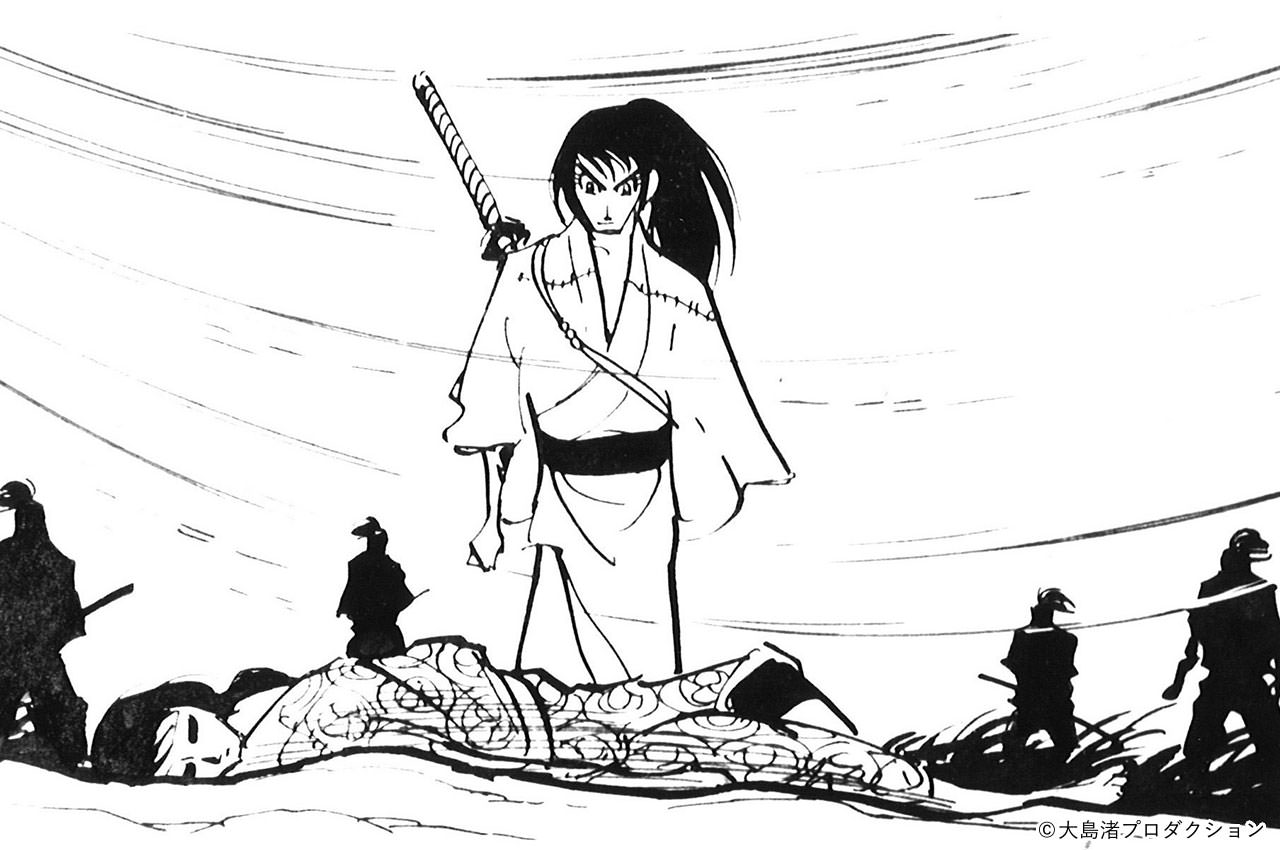
「長編フィルム劇画『忍者武芸帳』は、胸に熱い血を持つ人々に観てほしい ―大島渚」スチルを映画作品として再構成する“超”実験的な手法を活かし、白土三平の傑作大河劇画を映画化。原画を一枚一枚撮影した本作は恐るべきカット数にのぼったが、大島監督は効果音も音楽も最低限にとどめ、言葉の強さが張り出す作品に仕上げた。その声優陣は、小松方正、山本圭、佐藤慶、渡辺文雄、露口茂、小山明子、小沢昭一ら「大島組」のそうそうたる面々。怠惰を撃て!脱落を斬れ!その血の赤さが歴史をつくる!
The only animated film by Nagisa Oshima
“I really want people who conceal a fire in their hearts and blood to watch this film.” Nagisa Oshima
A super-experimental animated adaptation of the Japanese legendary comic artist Sanpei Shirato’s epic masterpiece, this film incorporates a huge amount of still photography (created by filming drawings from the original comic), while keeping sound effects and music to a minimum and making the characters’ individual voices become very powerful. The voice actors are Hosei Komatsu, Kei Yamamoto, Fumio Watanabe, Shigeru Tsuyuki, Akiko Koyama, and Shoichi Ozawa: the regular line-up from Oshima’s filmography. Destroy idleness! Kill the drop-offs! It is the red color of blood that makes history.
SYNOPSIS
室町幕府十三代将軍足利義輝の治世。各地に群雄割拠、戦いに明け暮れる永禄三年、奥州出羽の最上伏影城の城主結城光春は家老坂上主膳の謀略のため非業の最期をとげた。数年後、伏影城下で辻斬りが人々を恐怖に陥れていた。それこそは父の恨みを晴らそうとして主膳をねらう光春の一子、重太郎の姿であった。主膳の妹で忍者の螢火は重太郎を斬りつけるが、影丸と名乗る謎の忍者が邪魔をする。影丸とは誰か?そして彼の目的は何か?
忍者活劇の劇画に唯物史観革命論を盛り込み、六◯年安保世代の若者に絶大な支持を受けた白土三平の伝説的な貸本漫画の映画化。時は忍者ブームの真っ只中ということもあり、各社が映画化を企画したが、壮大なスケールゆえに断念。大島は逆転の発想で、これを白土の原画を映画のフレームに転換したうえで、モンタージュで再構成し、斬新な長編フィルム劇画として完成した。この実験的な試みは、如何なる素材でも映画にできうるという大島渚の高らかな宣言でもある。
The story is set during the reign of Yoshiteru Ashikaga, the 13th Shogun (general) of the Muromachi period. In the third year of Eiroku (1560 A.D.), Mitsuharu Yuki, the lord of Mogami-Fushikage Castle in Ohshu-Dewa, is violently killed in a plot devised by his minister, Shuzen Sakagami. A few years later, near Fushikage castle, a tsujigiri (murderer) terrorizes the people. The tsujigiri turns out to be Jutaro, Mitsuharu’s son, who is seeking revenge by killing Shuzen. Hotaru-bi, a ninja and the sister of Shuzen, attacks Jutaro but is interrupted by another ninja who call himself Kagemaru. Who is Kagemaru and what is his goal?
INFORMATION
STAFF
監督:大島渚
原作・原画:白土三平
Director:Nagisa Oshima
Original:Sanpei Shirato
CAST
山本圭
松本典子
佐藤慶
福田善之
林光
観世榮夫
小山明子
戸浦六宏
小松方正
渡辺文雄
語り手:小沢昭一
1967|日本 (Japan) | 117 min | 35㎜ | 日本語音声 (Japanese dialogue)
© 大島渚プロダクション
GUEST PROFILE
-
-
大島 渚 ( OSHIMA Nagisa )
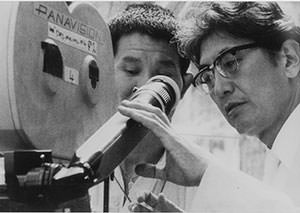
1932年3月31日京都生まれ。1954年、京都大学法学部卒業。松竹大船撮影所入社。1959年、第一回監督作品「愛と希望の街」発表。翌年「青春残酷物語」で第1回日本映画監督協会新人賞を受賞、日本ヌーベルバーグの旗手とうたわれるが、「日本の夜と霧」の上映中止をめぐって松竹を退社。以後独立プロ創造社を主宰、「白昼の通り魔」「日本春歌考」「絞死刑」「儀式」などを発表。1968年以降全作品が海外で公開される。1975年、大島渚プロダクションを創立、日仏合作映画「愛のコリーダ」を製作、翌年のカンヌ映画祭で絶賛をあび、シカゴ映画祭特別賞、英国映画協会賞を受賞。1978年、「愛の亡霊」でカンヌ国際映画祭最優秀監督賞を受賞。その後、日英ニュージーランド合作「戦場のメリークリスマス」、フランス映画「マックス、モン・アムール」と国際的映画製作を展開。1996年2月脳出血のため倒れるも、その後1999年「御法度」を完成させた。2000年、文部大臣芸術選奨、紫綬褒章を受章。2001年、毎日芸術賞、芸術文化勲章コマンドゥール(フランス)を受賞。妻は女優の小山明子。2013年1月15日肺炎のため死去。
Nagisa Oshima was born in Kyoto on March 31, 1932. After graduating from the Law department of Kyoto University, he started work at Shochiku’s Ofuna Studio. In 1959, he debuted A Town of Love and Hope. The following year, Cruel Story of Youth won the Directors Guild of Japan’s New Directors Award. Since then, he has been regarded as one of the top directors of the Japanese Nouvelle Vague. After resigning from Shochiku when the distribution of Night and Fog in Japan was cancelled, he established an independent studio called So-Zo Sha and directed films including Violence at Noon, Sing a Song of Sex (A Treatise on Japanese Bawdy Songs), Death by Hanging, and The Ceremony. All of the films he made after 1968 were distributed internationally. In 1975, he founded Oshima Productions Ltd. In the Realm of the Senses, an international co-production between Japan and France, was acclaimed at Cannes and won several awards, including the Special Prize at the Chicago Film Festival and a BFI Award. In 1978, Nagisa Oshima won the Best Director Award at Cannes for Empire of Passion. He made another two internationally co-produced films: Merry Christmas, Mr. Lawrence (UK/Japan/New Zealand) and Max, Mon Amour (France/Japan). Despite suffering a cerebral hemorrhage, he finished Taboo in 1999. Oshima received the Ministry of Education Award and Medal with Purple Ribbon in 2000, as well as a Mainichi Art Award and L’Ordre des Arts et des Lettres (le grade de commandeur) in 2001. His wife is the actress Akiko Koyama. Oshima died from pneumonia on January 15, 2013.
